Plantar Fasciitis
Plantar Fasciitis Treatment in Hawaii
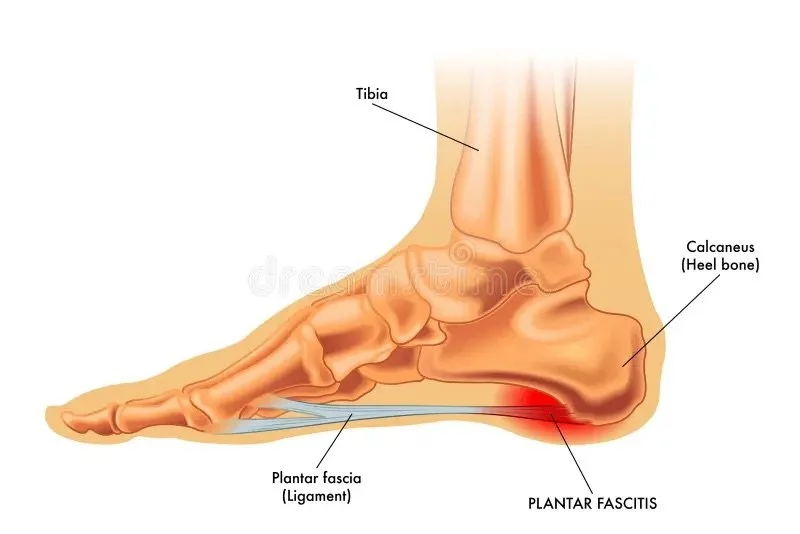
Plantar fasciitis is one of the most common causes of heel pain and results from irritation or degeneration of the plantar fascia, a thick band of connective tissue that supports the arch of the foot. Pain is typically felt at the bottom of the heel and is often most noticeable with the first steps in the morning or after periods of rest.
In Hawaii, plantar fasciitis frequently becomes symptomatic in individuals who spend significant time walking barefoot or in minimal footwear, standing for long periods, or walking on hard or uneven surfaces. Activities such as long beach walks, daily commuting on foot, hiking island trails, or occupations that require prolonged standing can increase strain on the plantar fascia and contribute to symptom development.
What is Plantar Fasciitis?
The plantar fascia plays a critical role in maintaining the arch of the foot and absorbing forces during walking and running. Plantar fasciitis develops when repetitive stress leads to microtearing and degeneration of the fascia near its attachment at the heel bone.
Despite its name, plantar fasciitis is often more of a degenerative condition than an inflammatory one, particularly in chronic cases. Contributing factors include tight calf muscles, abnormal foot mechanics, prolonged standing, and sudden increases in activity level. Without appropriate treatment, symptoms may persist and significantly affect daily activities.
Diagnosis of Plantar Fasciitis
Diagnosis begins with a focused clinical evaluation, including assessment of pain location, foot alignment, calf flexibility, and gait mechanics. Tenderness is typically localized to the bottom of the heel near the plantar fascia insertion.
Symptoms of Plantar Fasciitis
Common symptoms include sharp or aching heel pain, pain with the first steps in the morning, discomfort after prolonged standing or walking, pain that improves with movement but worsens later in the day, and tenderness along the arch or heel.
Imaging is not always required but may be used to rule out other causes of heel pain. X-rays can help exclude stress fractures or other bone pathology, while ultrasound or MRI may be considered in chronic or atypical cases.
Non-Surgical Treatment Options
Most cases of plantar fasciitis improve with non-surgical treatment. Conservative options may include:
Activity modification
Stretching of the calf and plantar fascia
Supportive footwear or orthotics
Night splints
Anti-inflammatory medications
Physical therapy
These treatments aim to reduce strain on the plantar fascia and promote healing.
Surgical Treatment for Plantar Fasciitis
Surgical treatment is rarely required and is typically reserved for patients with recalcitrant plantar fasciitis who fail to improve after prolonged non-surgical care. Surgical options may include:
Treatment of associated nerve entrapment or heel pathology
The goal of surgery is to relieve pain while preserving foot stability and function, allowing patients to return to daily activities.
Recovery and Rehabilitation
Recovery from plantar fasciitis is often gradual. Most patients improve with consistent non-surgical treatment over several months.
Following surgical intervention, recovery emphasizes protection of the fascia, gradual return to activity, and restoration of normal foot mechanics. Physical therapy may be used to optimize outcomes.
Office Location
30 Aulike St. Suite 201
Kailua, HI 96734
Contact Information
scheduling@windortho.net
(808) 261-4658
Surgical Facilities
Castle Medical Center
Windward Surgery Center