Charcot Arthropathy
Charcot Arthropathy (Charcot Foot) Treatment in Hawaii
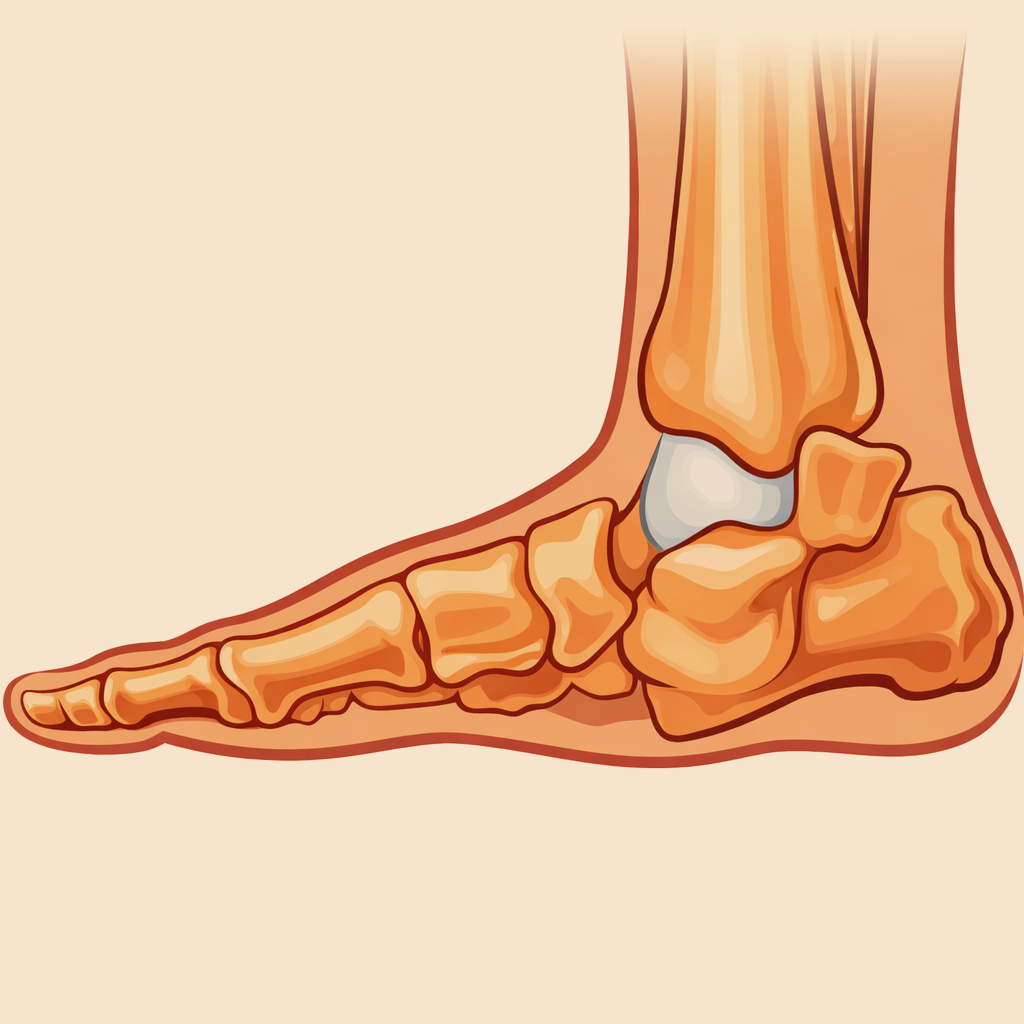
Charcot arthropathy, commonly referred to as Charcot foot, is a serious and potentially limb-threatening condition characterized by progressive destruction of the bones, joints, and soft tissues of the foot and ankle. It most often occurs in patients with peripheral neuropathy, where loss of protective sensation allows repeated injury to go unnoticed, leading to collapse and deformity of the foot.
In Hawaii, Charcot foot is frequently identified in patients who remain active despite neuropathy, such as those walking long distances, standing for extended periods, or navigating uneven surfaces. Because pain may be minimal or absent, early symptoms are often mistaken for a simple sprain or infection, delaying diagnosis and increasing the risk of severe deformity.
What is Charcot Arthropathy?
Charcot arthropathy develops when repetitive microtrauma occurs in an insensate foot, triggering an abnormal inflammatory response. This process leads to bone weakening, fractures, joint dislocation, and eventual collapse of normal foot architecture. The midfoot is most commonly affected, but the hindfoot and ankle may also be involved.
As the condition progresses, patients may develop significant deformity, including a rocker-bottom foot, abnormal pressure points, and instability. Without appropriate treatment, Charcot arthropathy substantially increases the risk of skin breakdown, ulceration, infection, and amputation.
Diagnosis of Charcot Arthropathy
Diagnosis begins with a careful clinical evaluation, focusing on swelling, warmth, redness, deformity, and a history of neuropathy or diabetes. The affected foot is often noticeably warmer than the contralateral side. Early recognition is critical to preventing progression.
Symptoms of Charcot Arthropathy
Common symptoms include swelling of the foot or ankle, redness, warmth, deformity, instability, and minimal or absent pain despite significant structural damage. Patients may notice changes in foot shape, difficulty fitting into shoes, or increased pressure areas.
Imaging plays a key role in diagnosis. Weight-bearing X-rays may demonstrate fractures, joint subluxation, or collapse, though early changes can be subtle. MRI may be used to identify early bone marrow edema and help differentiate Charcot arthropathy from infection. CT scans are often helpful in advanced cases to assess deformity and plan treatment.
Non-Surgical Treatment Options
Early-stage Charcot arthropathy is typically managed with strict immobilization and offloading to prevent further damage. Non-surgical treatment may include:
Total contact casting or protective immobilization
Strict non-weight bearing or protected weight bearing
Custom bracing or Charcot-specific footwear
Close clinical and radiographic monitoring
Early and consistent offloading is essential to limit progression and allow the foot to stabilize.
Surgical Treatment for Charcot Arthropathy
Surgical treatment may be considered for patients with severe deformity, instability, recurrent ulceration, or failure of non-surgical management. Surgical options depend on the location and stage of disease and may include:
Realignment and stabilization procedures
Internal fixation or external fixation
Treatment of associated ulcers or infections
The goals of surgery are to restore a plantigrade, stable foot, reduce the risk of skin breakdown, and preserve limb function. Surgical management of Charcot arthropathy is complex and requires careful patient selection and planning.
Recovery and Rehabilitation
Recovery from Charcot arthropathy requires careful long-term management. Early stages focus on strict immobilization and offloading to allow stabilization.
Following surgical reconstruction, rehabilitation is prolonged and carefully monitored. Gradual return to protected weight bearing, bracing, and long-term footwear management are essential to reduce recurrence and complications.
Office Location
30 Aulike St. Suite 201
Kailua, HI 96734
Contact Information
scheduling@windortho.net
(808) 261-4658
Surgical Facilities
Castle Medical Center
Windward Surgery Center