Peroneal Tendon Tear
Peroneal Tendon Tear Treatment in Hawaii
Peroneal tendon tears involve damage to one or both of the tendons that run along the outside of the ankle and foot. These tendons play a critical role in ankle stability and balance, particularly on uneven surfaces. Tears may develop acutely after an injury or gradually over time due to repetitive strain.
In Hawaii, peroneal tendon tears commonly occur after ankle twisting injuries on uneven terrain, missteps on sand or lava rock, or repetitive loading during activities such as hiking, trail walking, or recreational sports. Patients may also develop tendon tears following repeated ankle sprains or in association with chronic ankle instability.
What are Peroneal Tendon Tears?
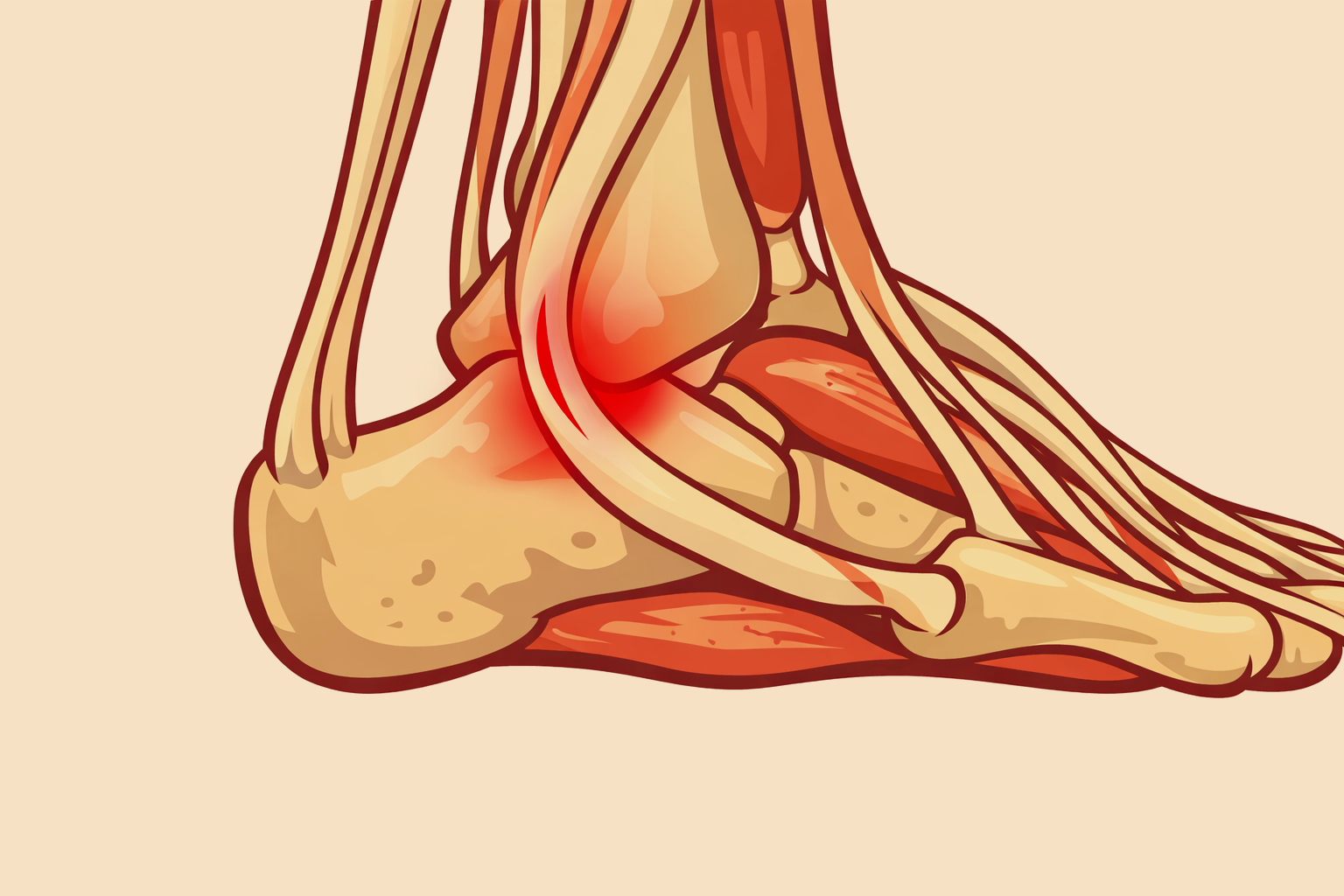
The peroneal tendons—peroneus longus and peroneus brevis—course behind the fibula and along the outer aspect of the foot. They function to stabilize the ankle and assist with foot eversion and push-off.
Tendon tears may be partial or complete and often result from chronic overuse, tendon degeneration, or mechanical irritation. Contributing factors include a shallow fibular groove, high-arched (cavus) foot alignment, ankle instability, and prior injury. If untreated, peroneal tendon tears can lead to persistent pain, weakness, swelling, and progressive ankle dysfunction.
Diagnosis of Peroneal Tendon Tears
Diagnosis begins with a focused clinical evaluation, including assessment of tenderness along the peroneal tendons, ankle stability, swelling, and reproduction of pain with resisted motion. A history of recurrent ankle sprains or lateral ankle pain is common.
Symptoms of Peroneal Tendon Tears
Common symptoms include pain along the outside of the ankle or foot, swelling, weakness with push-off, a sense of ankle instability, pain that worsens with activity or uneven ground, and tenderness behind the outer ankle bone.
Imaging is often used to confirm the diagnosis. MRI is commonly obtained to assess the extent of tendon damage and identify associated pathology, while ultrasound may be helpful for dynamic evaluation in select cases.
Non-Surgical Treatment Options
Initial treatment may be appropriate for some partial tears or acute injuries. Non-surgical options may include:
Activity modification
Immobilization in a boot or brace
Physical therapy
Anti-inflammatory medications
While conservative treatment may reduce symptoms, persistent or structural tendon tears often require surgical management for definitive treatment.
Surgical Treatment for Peroneal Tendon Tears
Surgical treatment may be recommended for symptomatic tendon tears that fail non-surgical care, complete tears, or tears associated with instability or anatomic abnormalities. Surgical options depend on the extent of tendon damage and may include:
Correction of contributing ankle or foot deformities
The goals of surgery are to relieve pain, restore tendon integrity, and improve ankle stability and function, allowing patients to return to daily activities and sports.
Recovery and Rehabilitation
Recovery from peroneal tendon tears depends on tear severity and treatment approach. Non-surgical management may be appropriate for select cases.
Following surgical repair, recovery typically includes immobilization, followed by gradual strengthening and balance training. Rehabilitation focuses on restoring tendon function and ankle stability.
Office Location
30 Aulike St. Suite 201
Kailua, HI 96734
Contact Information
scheduling@windortho.net
(808) 261-4658
Surgical Facilities
Castle Medical Center
Windward Surgery Center