Bunionette (tailor’s bunion)
Bunionette (Tailor’s Bunion) Treatment in Hawaii
A bunionette, also known as a tailor’s bunion, is a painful prominence that develops along the outside of the foot at the base of the fifth toe. This condition results from abnormal alignment of the fifth metatarsal bone and can lead to irritation, inflammation, and difficulty with footwear.
For many people living in Hawaii, bunionettes develop gradually due to repetitive pressure and forefoot loading. Activities such as walking long distances in narrow sandals, spending extended time barefoot on hard surfaces, standing for long periods at work, or hiking uneven trails can increase stress on the outer forefoot. Certain foot shapes and inherited biomechanics also play a significant role in bunionette formation.
What are Bunionettes?
The fifth metatarsophalangeal joint is located on the outside of the foot and is subjected to repetitive pressure during walking and standing. A bunionette forms when the fifth metatarsal bone angles outward or becomes enlarged, causing the joint to protrude and rub against footwear.
Over time, this abnormal alignment can lead to inflammation of the surrounding soft tissues, thickening of the skin, and progressive pain. Unlike calluses alone, bunionettes involve structural changes to the bone and joint, and symptoms may worsen as the deformity progresses.
Diagnosis of Bunionettes
Diagnosis of a bunionette begins with a focused clinical examination, assessing toe alignment, areas of tenderness, skin irritation, and overall forefoot mechanics. Gait evaluation may reveal increased pressure along the lateral aspect of the foot.
Symptoms of Bunionettes
Common symptoms of a bunionette include pain or aching along the outside of the foot, redness or swelling over the fifth toe joint, difficulty wearing narrow or stiff shoes, irritation from shoe rubbing, and discomfort that worsens with prolonged walking or standing.
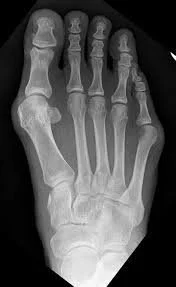
Weight-bearing X-rays are used to confirm the diagnosis and determine the severity of the deformity. Imaging helps identify the specific type of bunionette present and guides appropriate treatment planning.
Non-Surgical Treatment Options
Mild or early bunionette symptoms may be managed with conservative treatment, including:
Shoe modifications with a wider toe box
Activity modification
Padding or protective sleeves
Custom orthotics to redistribute pressure
Anti-inflammatory medications
These measures aim to relieve pain and reduce irritation but do not correct the underlying deformity.
Surgical Treatment for Bunionettes
When non-surgical treatment fails to provide adequate relief, bunionette correction surgery may be recommended. Surgical options are tailored to the type and severity of the deformity and may include realignment osteotomy of the fifth metatarsal
The goals of surgery are to relieve pain, restore proper alignment, and improve long-term function, allowing patients to return to normal footwear and activities.
Recovery and Rehabilitation
Recovery from bunionette treatment depends on deformity severity and treatment approach. Non-surgical care focuses on pressure reduction and symptom relief.
After surgical correction, patients typically follow a period of protected weight bearing and gradual transition back to regular footwear. Rehabilitation focuses on swelling reduction, toe alignment, and restoring comfort with walking and shoe wear.
Office Location
30 Aulike St. Suite 201
Kailua, HI 96734
Contact Information
scheduling@windortho.net
(808) 261-4658
Surgical Facilities
Castle Medical Center
Windward Surgery Center