Metatarsalgia
Metatarsalgia Treatment in Hawaii
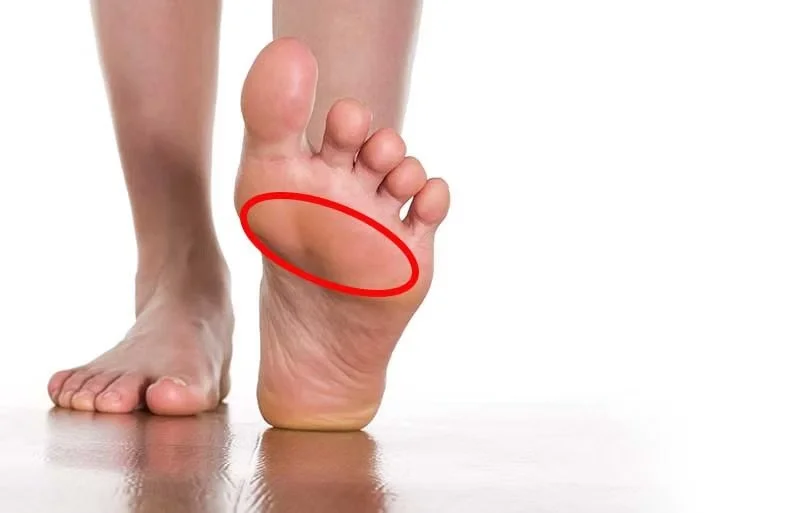
Metatarsalgia is a condition characterized by pain and inflammation in the ball of the foot, typically beneath the metatarsal heads. It results from excessive pressure or abnormal loading across the forefoot and can significantly interfere with walking, standing, and daily activities.
In Hawaii, metatarsalgia commonly becomes symptomatic in individuals who spend prolonged periods walking in sandals or minimal footwear, standing for long hours, or walking barefoot on hard surfaces. Activities such as long beach walks, recreational exercise, or occupations requiring extended standing can increase stress across the forefoot and contribute to pain.
What is Metatarsalgia?
The metatarsal heads bear a substantial portion of body weight during the push-off phase of walking. Metatarsalgia develops when these structures are subjected to repetitive overload, often due to biomechanical factors such as abnormal foot alignment, tight calf muscles, toe deformities, or loss of cushioning beneath the forefoot.
Metatarsalgia may occur as an isolated condition or in association with other forefoot problems such as hammertoes, bunions, Morton’s neuroma, or prior forefoot injury. Without appropriate treatment, symptoms may worsen over time and limit mobility.
Diagnosis of Metatarsalgia
Diagnosis begins with a focused clinical evaluation, including assessment of pain location, foot alignment, toe position, and gait mechanics. Palpation of the forefoot often reproduces symptoms, and evaluation of footwear and activity patterns is important.
Symptoms of Metatarsalgia
Common symptoms include aching or burning pain in the ball of the foot, tenderness beneath one or more metatarsal heads, discomfort that worsens with walking or standing, pain when barefoot on hard surfaces, and relief with rest or shoe removal.
Imaging may be used to rule out other causes of forefoot pain. X-rays can assess bone alignment and exclude fractures or arthritis, while ultrasound or MRI may be considered when stress fractures, neuromas, or soft-tissue pathology are suspected.
Non-Surgical Treatment Options
Many cases of metatarsalgia improve with conservative treatment, particularly when contributing biomechanical factors are addressed. Non-surgical options may include:
Shoe modifications and cushioned footwear
Metatarsal pads or custom orthotics
Activity modification
Stretching or physical therapy
Anti-inflammatory medications
These treatments aim to redistribute pressure away from the painful area and reduce inflammation.
Surgical Treatment for Metatarsalgia
Surgical treatment may be considered when symptoms persist despite appropriate non-surgical care or when a structural abnormality is identified. Surgical options depend on the underlying cause and may include:
The goals of surgery are to relieve pain, restore balanced forefoot loading, and improve long-term function, allowing patients to return to normal activities.
Recovery and Rehabilitation
Recovery from metatarsalgia focuses on correcting contributing biomechanical factors and reducing forefoot overload. Non-surgical management often leads to symptom improvement.
After surgical treatment, rehabilitation emphasizes pressure redistribution, gradual return to activity, and restoration of normal gait mechanics. Recovery timelines vary based on the procedure performed.
Office Location
30 Aulike St. Suite 201
Kailua, HI 96734
Contact Information
scheduling@windortho.net
(808) 261-4658
Surgical Facilities
Castle Medical Center
Windward Surgery Center