Calcaneus Fracture
Calcaneus Fracture Treatment in Hawaii
A calcaneus fracture is a break of the heel bone, which forms the foundation of the hindfoot and plays a critical role in weight bearing, balance, and walking. These fractures are often the result of high-energy trauma and can be associated with significant swelling, deformity, and long-term functional impairment.
In Hawaii, calcaneus fractures commonly occur from falls from height, such as falling from ladders, roofs, or rock ledges, as well as from hiking accidents on steep or uneven terrain. Impact injuries during recreational activities, motor vehicle or motorcycle collisions, and hard landings onto the heel can also result in complex heel fractures.
What are Calcaneus Fractures?
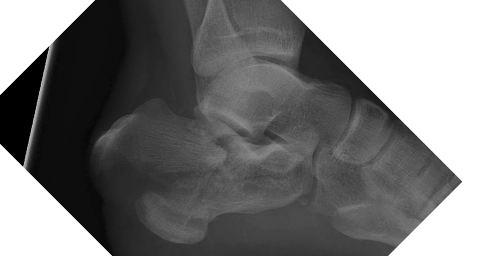
The calcaneus is the largest bone in the foot and transmits forces from the ankle to the ground during standing and walking. When fractured, especially in high-energy injuries, the bone may collapse or fragment, disrupting the subtalar joint, which is essential for side-to-side motion of the foot.
Calcaneus fractures are broadly categorized as intra-articular (involving the joint surface) or extra-articular. Intra-articular fractures are more complex and carry a higher risk of long-term complications such as stiffness, deformity, and post-traumatic arthritis. Because of the surrounding soft-tissue envelope, these injuries require careful evaluation and treatment planning.
Diagnosis of Calcaneus Fractures
Diagnosis begins with a thorough clinical assessment, focusing on swelling, bruising, heel width, skin integrity, and overall foot alignment. Evaluation of the soft tissues is critical due to the high risk of swelling-related complications.
Symptoms of Calcaneus Fractures
Common symptoms include severe heel pain, inability to bear weight, significant swelling and bruising of the foot or ankle, widening of the heel, deformity, and pain that worsens with any attempt to stand or walk.
Imaging is essential for accurate diagnosis. X-rays are used to identify fracture patterns and alignment, while CT scans are frequently obtained to evaluate joint involvement, degree of comminution, and to assist with surgical planning.
Non-Surgical Treatment Options
Non-surgical management may be appropriate for select calcaneus fractures, particularly those that are non-displaced or extra-articular. Conservative treatment may include:
Immobilization in a splint or cast
Strict non-weight bearing
Elevation and swelling control
Gradual rehabilitation once healing begins
Careful monitoring is required to ensure fracture stability and appropriate healing.
Surgical Treatment for Calcaneus Fractures
Many calcaneus fractures, particularly displaced intra-articular fractures, require surgical treatment to restore alignment and joint congruity. Surgical options depend on fracture pattern and soft-tissue condition and may include:
Open reduction and internal fixation
Minimally invasive fixation techniques
Staged procedures when swelling is severe
The goals of surgery are to restore heel height and alignment, reconstruct joint surfaces when possible, and improve long-term function, while minimizing complications. Recovery can be prolonged and typically involves a period of non-weight bearing followed by structured rehabilitation.
Recovery and Rehabilitation
Recovery from a calcaneus fracture depends on fracture severity and treatment method. Early recovery emphasizes swelling control, immobilization, and protection of healing bone.
Rehabilitation focuses on restoring hindfoot motion, strength, and gait mechanics. Weight bearing is introduced gradually once healing allows. Full recovery may take several months, and some patients experience residual stiffness or discomfort.
Office Location
30 Aulike St. Suite 201
Kailua, HI 96734
Contact Information
scheduling@windortho.net
(808) 261-4658
Surgical Facilities
Castle Medical Center
Windward Surgery Center