Hammertoe
Hammertoe Treatment in Hawaii
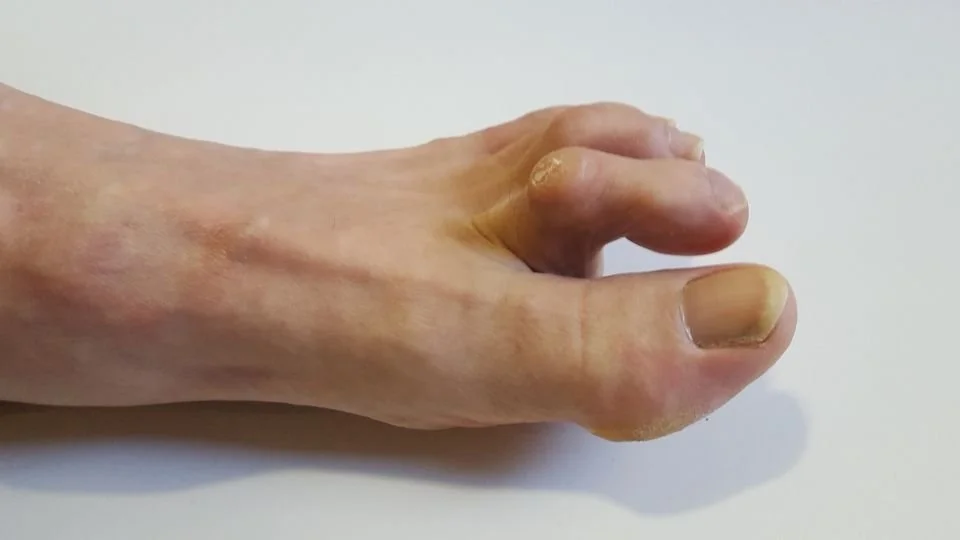
A hammertoe is a deformity of the toe in which the joint becomes abnormally bent, causing the toe to curl or contract instead of lying flat. Hammertoes most commonly affect the lesser toes and may be flexible in early stages or become rigid over time, leading to pain, irritation, and difficulty with footwear.
In Hawaii, hammertoes often become symptomatic in people who spend long hours walking in sandals or slippers, standing for prolonged periods, or walking barefoot on hard or uneven surfaces. Activities such as extended beach walks, daily commuting on foot, or hiking island trails can increase pressure across the toes and contribute to progression of the deformity, particularly in individuals with underlying foot structure or muscle imbalance.
What are Hammertoes?
Hammertoes develop due to an imbalance between the muscles, tendons, and ligaments that normally keep the toes straight. Over time, this imbalance causes the toe to bend at one or more joints, leading to abnormal positioning and increased pressure within shoes.
As the deformity progresses, the toe may become stiff and fixed, making conservative treatment less effective. Friction from footwear can lead to corns, calluses, skin irritation, and pain, and hammertoes are frequently associated with other forefoot conditions such as bunions, flatfoot, or high-arch foot structure.
Diagnosis of Hammertoes
Diagnosis begins with a clinical examination assessing toe alignment, joint flexibility, areas of tenderness, and the presence of skin irritation or calluses. Evaluation also includes assessment of foot mechanics and contributing deformities such as bunions or metatarsal overload.
Symptoms of Hammertoes
Common symptoms include toe pain, visible toe deformity, corns or calluses on the top or tip of the toe, irritation from shoe wear, stiffness, and discomfort that worsens with prolonged standing or walking.
Weight-bearing X-rays may be obtained to assess joint alignment, underlying bone structure, and associated deformities, particularly when surgical treatment is being considered.
Non-Surgical Treatment Options
Early or flexible hammertoes may be managed with conservative treatment, including:
Shoe modifications with a wider toe box
Padding or protective sleeves
Orthotics to improve foot mechanics
Activity modification
Anti-inflammatory medications
These measures may relieve symptoms but do not correct established deformity.
Surgical Treatment for Hammertoes
When hammertoes become painful, rigid, or unresponsive to non-surgical care, surgical correction may be recommended. Surgical options depend on the severity and flexibility of the deformity and may include:
Tendon releases or transfers
Joint resection or fusion
Correction of associated forefoot deformities
The goals of surgery are to relieve pain, restore toe alignment, and improve long-term comfort with walking and shoe wear, allowing patients to return to daily activities.
Recovery and Rehabilitation
Recovery after hammertoe treatment varies by deformity severity and surgical technique. Non-surgical care focuses on symptom control.
Following surgical correction, recovery typically involves protected weight bearing and gradual return to regular footwear. Rehabilitation emphasizes swelling control, toe motion, and comfortable gait restoration.
Office Location
30 Aulike St. Suite 201
Kailua, HI 96734
Contact Information
scheduling@windortho.net
(808) 261-4658
Surgical Facilities
Castle Medical Center
Windward Surgery Center